
- Porcelain is denser and less absorbent than ceramic, which makes it the best all-round bathroom tile.
- Slip rating is the one spec people skip. Look for P3 on the floor, P4 in the shower.
- Large-format tiles look bigger and cleaner but cost more to lay and need a flat substrate.
- Shower floors want smaller tiles or mosaics so they follow the fall and give grip.
- Darker grout hides staining. Epoxy grout is tougher in wet areas but costs more.
- Never choose tiles after the job starts. It delays trades and blows the budget.
How to Choose Bathroom Tiles
For a bathroom, porcelain is the safest all-round choice, and the number that matters most is the slip rating. Aim for at least P3 on the bathroom floor and P4 in the shower. Large-format tiles make a room look bigger but need a flatter substrate and cost more to lay. Shower floors want smaller tiles or mosaics, because more grout lines means more grip and they follow the fall to the drain. Choose your tiles before work starts, not during.
Key takeaways
Tiles are the biggest visual decision in a bathroom and one of the biggest cost lines. They are also where we see the most avoidable regret, usually because someone picked a tile for how it looked and not for where it was going. Here is how to choose properly, in the order that actually matters.
Ceramic, porcelain, or natural stone?
Start with the material, because it decides durability, maintenance, and where the tile can go.
| Material | Best for | What to know |
|---|---|---|
| Ceramic | Walls, budget-friendly projects | Softer and more porous than porcelain. Fine on walls, less ideal on a bathroom floor that gets a hammering. |
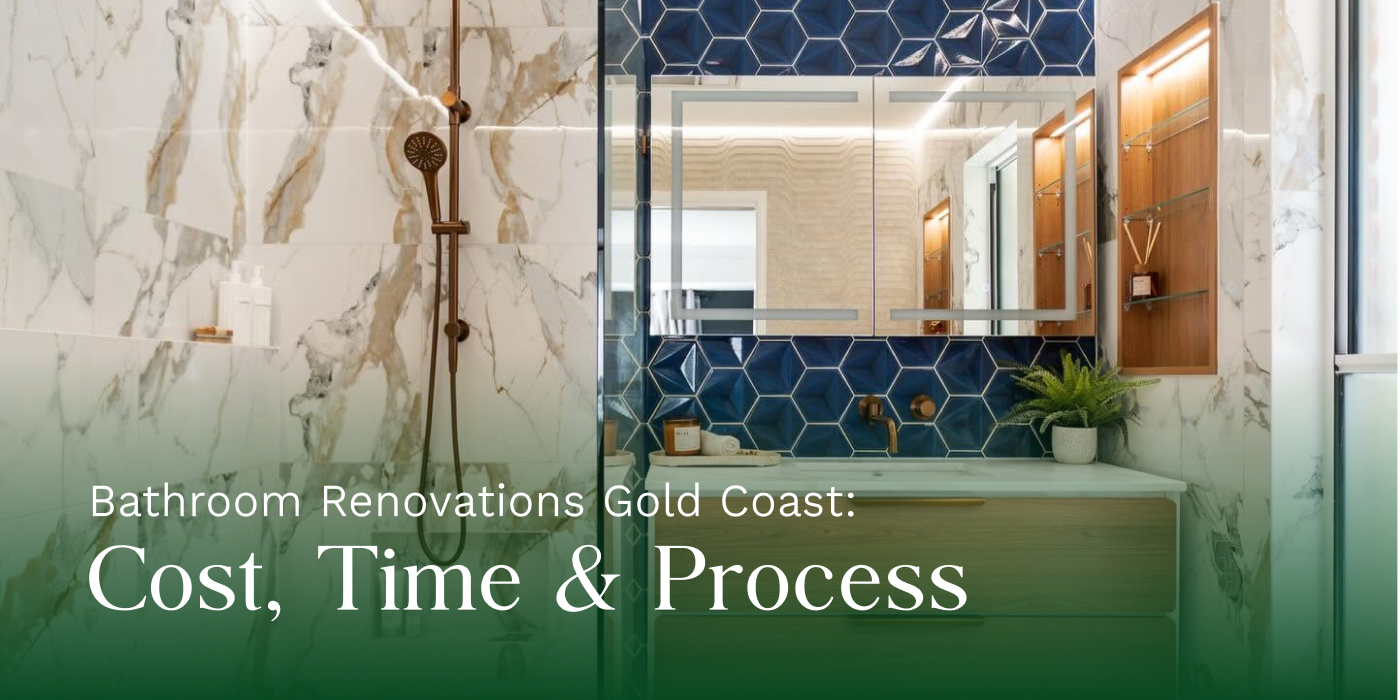
| Porcelain | Floors, walls, wet areas | Denser and far less absorbent. The best all-round bathroom tile, and available in stone-look and timber-look finishes. |
| Natural stone | Feature areas, premium projects | Beautiful and genuinely unique, but porous. It needs sealing and ongoing maintenance, and it costs more to buy and to lay. |
If you want the short version: porcelain for the floor and the wet areas, ceramic is fine on walls if the budget is tight, and stone is a considered choice you should go into with your eyes open about sealing and upkeep.
The spec most people miss: slip rating
Every tile has a slip resistance rating, and in a wet room it is the most important number on the box. In Australia, slip resistance is tested under AS 4586 for new surfaces and AS 4663 for existing ones. There are two scales you will see (per Diagrind):
- The P scale (pendulum test), P0 to P5. P3 suits areas with occasional water, such as bathrooms. P4 suits frequently wet areas.
- The R scale (ramp test), R9 to R13. R10 is moderate slip resistance, and R11 suits areas prone to water spillage.
The practical rule for a home bathroom: aim for at least P3 on the bathroom floor, and step up to P4 in the shower or any zone that is wet often. Wall tiles do not need a slip rating, which is exactly why you must never use a wall-only tile on the floor. It is one of the most common and most dangerous tile mistakes we see.
Not sure which tile suits your bathroom? We help you choose tiles that suit the room, the slip requirements, and the budget, as part of a free site visit. Book at xbathrooms.com.au/contact.
Tile size and format
Size changes how a bathroom feels and how much it costs to lay.
- Large-format tiles. Fewer grout lines, so the floor and walls read as one continuous surface and the room looks bigger. The trade-off is that they need a very flat substrate and cost more per square metre to lay, because they are heavier and less forgiving.
- Standard formats. Sizes like 300 x 300 and 600 x 600 are the workhorses. Easier to lay, cheaper, and perfectly good.
- Mosaics and small tiles. More grout lines means more grip and more flexibility to follow a fall, which is why they earn their place on shower floors.
- Rectified edges. Tiles cut to a precise edge allow thinner grout lines and a cleaner look, which suits large-format layouts.
Why shower floors are different
The shower floor has to do something no other surface does: it has to fall to the waste so water drains away, and it has to be safe underfoot when wet and soapy. That is why smaller tiles or mosaics are the standard choice there. They follow the fall of the floor without lipping, and the extra grout lines add grip. A large-format tile on a shower floor is a bad idea for both reasons.
Grout: the bit everyone forgets until it stains
Grout is a small part of the budget and a big part of how the bathroom looks in three years.
- Colour matters more than people expect. A grout close to the tile colour makes the surface look continuous. A contrasting grout makes a pattern like herringbone or subway pop.
- Darker grout hides staining. On a floor, especially in a busy family bathroom, it ages far better than brilliant white.
- Epoxy grout is tougher, more stain-resistant, and better in wet areas, but it costs more and is harder to work with.
- Wider grout joints mean more cleaning. Rectified tiles and thinner joints are lower maintenance.
- Grout is not waterproofing. It never has been. The membrane underneath is what keeps water out.
What does tiling cost in Brisbane and on the Gold Coast?
Tiling is one of the biggest line items in a bathroom. In Brisbane, tiling a bathroom typically runs about $2,000 to $6,000, or roughly $400 to $1,200 per square metre depending on the tile and the pattern. On the Gold Coast it is broadly similar, at about $1,950 to $5,900 (per What's The Damage). Patterned layouts like herringbone cost more to lay than a straight set, and large-format and natural stone cost more again.
The tile mistakes we see most
- Using a wall tile on the floor, which usually means the slip rating is wrong.
- Putting large-format tiles on a shower floor, where they cannot follow the fall.
- Choosing too many different tiles. Two, or at most three, is plenty in one bathroom.
- Picking brilliant white grout on a floor and being disappointed within a year.
- Choosing tiles after the job has started, which stalls the trades and costs money.
- Assuming grout or the tiles themselves keep water out. That is the waterproofing membrane's job.
How we help you choose
We work with quality tile suppliers and help you select tiles that suit the room, meet the slip requirements, and land inside your budget, as part of the design and quoting process. You can also explore the wider planning process in our guide to bathroom design ideas.
Frequently asked questions
Porcelain, with a slip rating of at least P3. It is dense, low absorption, and hard-wearing. Step up to P4 for the shower or any area that is wet often.
Aim for at least P3 on the bathroom floor, and P4 in the shower. Slip resistance is tested under AS 4586 in Australia, and wall-only tiles should never be used on a floor.
Yes on the floor and walls, because fewer grout lines make the room look larger. No on the shower floor, where you need smaller tiles or mosaics to follow the fall to the drain.
Match the tile for a seamless look, or contrast it to show off a pattern. On floors, darker grout hides staining and ages much better than white.
Roughly $2,000 to $6,000 for a bathroom in Brisbane, or about $400 to $1,200 per square metre depending on the tile and pattern. The Gold Coast is broadly similar.
No. Grout is not waterproofing. The waterproofing membrane under the tiles is what keeps water out, and it must be installed to AS 3740 and certified.
Get help choosing the right tiles Book a free site visit and we will walk you through tile options that suit your bathroom, your slip requirements, and your budget. Complete the form below to book your free site visit.
About the author
Fineas Pintilie is a co-founder of xBathrooms, a QBCC licensed bathroom renovation company (licence 15482767) and Master Builders member working across Brisbane and the Gold Coast. Fineas and the team have completed more than 50 bathroom renovations, designing, supplying, and installing each one under one roof.